
How we work
The hardest question about an offshore team is not whether they can do the work. It is whether you will be able to see it happening, whether your IP is safe, and whether anyone will answer when you ask.
Six stages, six deliverables
Each stage names what you receive at the end of it. A stage without a deliverable is a promise, not a process.
Discovery
Requirements review, feasibility, risk list
DeliverableTechnical proposal and fixed quote
Architecture
Block diagram, part selection, stack-up plan
DeliverableArchitecture document, BOM v0
Design
Schematic, layout, firmware, RTL
DeliverableSchematic review package, weekly build
Simulation and review
SI/PI simulation, DFM check, design review call
DeliverableSimulation report, DRC/DFM report
Prototype and bring-up
Fabrication, assembly, board bring-up, debug
DeliverableWorking prototype and test report
Production transfer
DFT, test jig, pilot run, supplier qualification
DeliverableFull design package — you own all files
IP and confidentiality
The commitments below are contractual, not aspirational.
NNN agreement under PRC law
We execute a non-disclosure, non-use and non-circumvention agreement governed by PRC law and enforceable in the courts that would actually hear the case. A generic English-language NDA is weakly enforceable here, and we would rather tell you that than let you find out later.
You own 100% of the design IP
Schematics, layout source, Gerbers, firmware source, RTL, test procedures and the BOM with qualified alternates. Not a licence to use them — ownership. We keep no rights that would stop you taking the design to another supplier.
Per-project access segregation
Project files are accessible only to the engineers assigned to that project. Nobody browses another client’s repository because it happens to sit on the same server.
Subcontractors are bound before they see anything
Where a specialist is engaged — a fabricator, an assembly house, a test lab — they are bound by the same terms before any design file is shared, and named to you in advance.
What handover actually includes
Every project ends with the complete design package: schematic and layout source in their native tools, Gerbers and drill data, firmware and RTL source with a build that runs from a clean checkout, simulation and test reports, and a BOM with alternates for every single-source part.
Communication
What you can expect, and how quickly.
English, Japanese and Chinese
Your project lead speaks your language directly. Nothing is relayed through a translator who does not understand the design.
One business day
Any question reaching your project lead gets a substantive answer within one business day — not an acknowledgement, an answer.
Weekly, written
A written report every week: what moved, what did not, what is blocked, and what we need from you. Plus a working build or layout snapshot where there is one.
Yours, not ours
We work in your repository, your issue tracker and your review process where you have them. A dedicated team should feel like part of your team.
| Region | Offset | Shared working day |
|---|---|---|
| Japan / Korea | UTC+9 | 7 hours of shared working day |
| Singapore / SE Asia | UTC+7 – +8 | 8 hours — effectively full |
| Europe (CET) | UTC+1 | 2 hours, mornings for us |
| US West Coast | UTC−8 | Scheduled calls; async by default |
| US East Coast | UTC−5 | Scheduled calls; async by default |
Quality
The checks that run whether or not anyone asks for them.
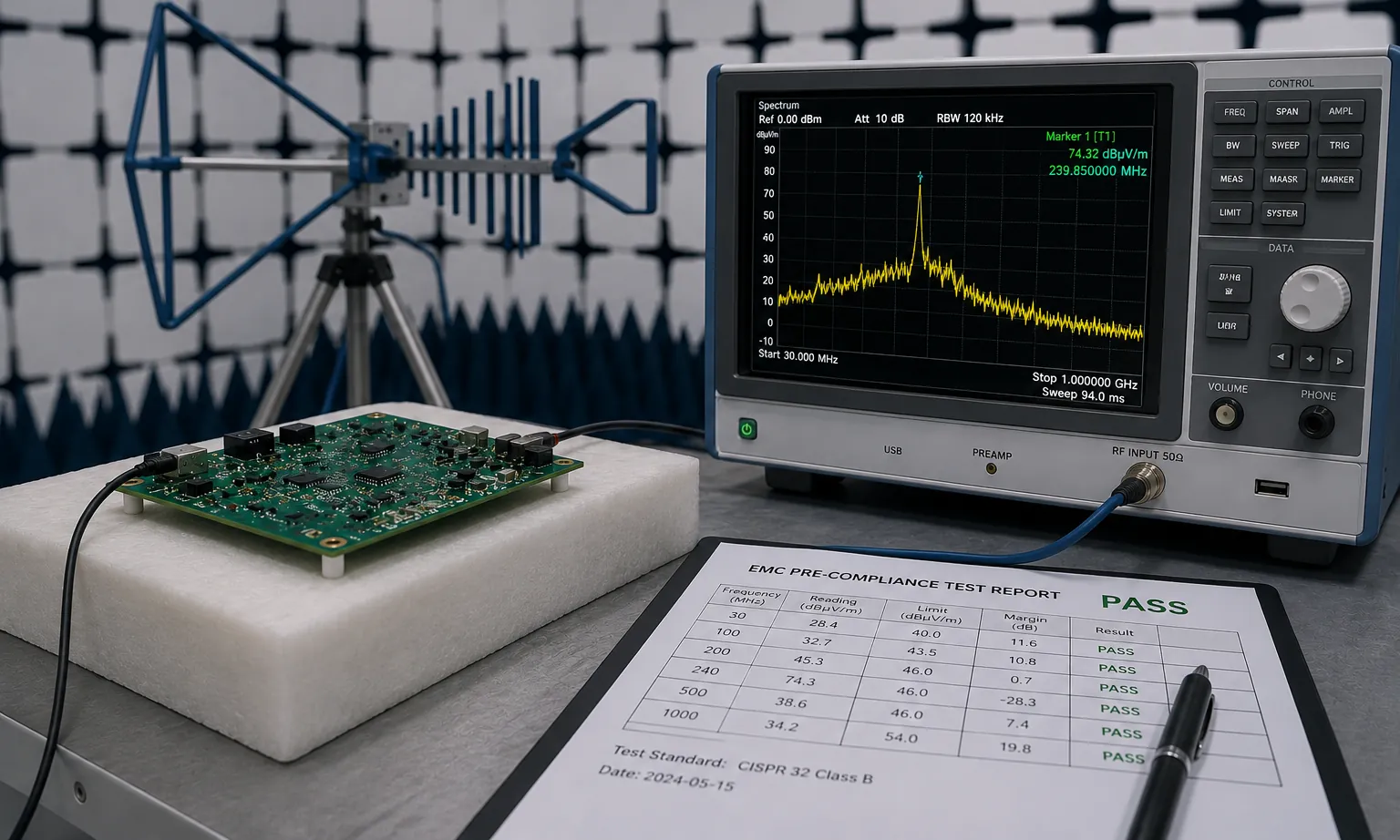
EMC pre-compliance, before the formal test house rather than after it. 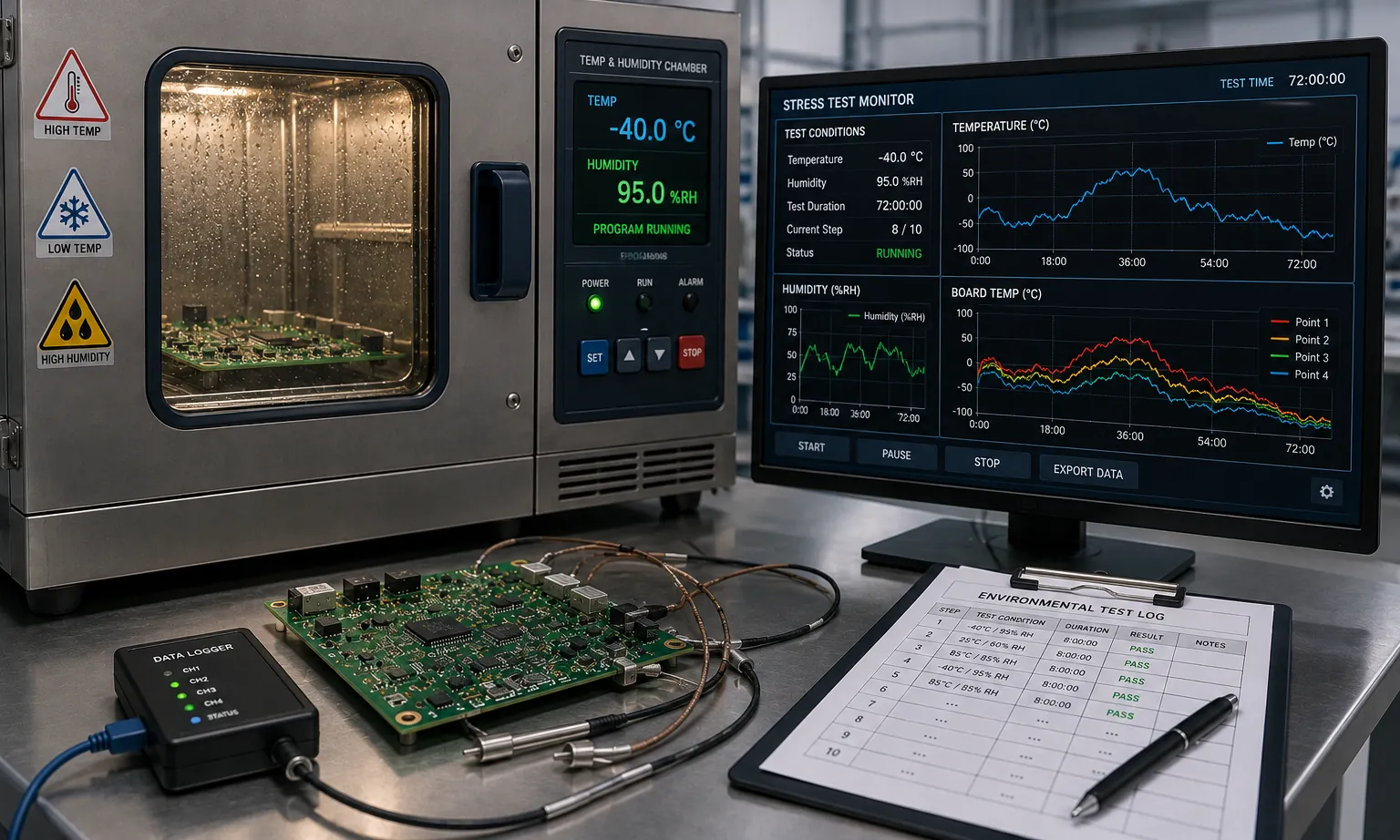
Environmental and stress testing across the specified range. 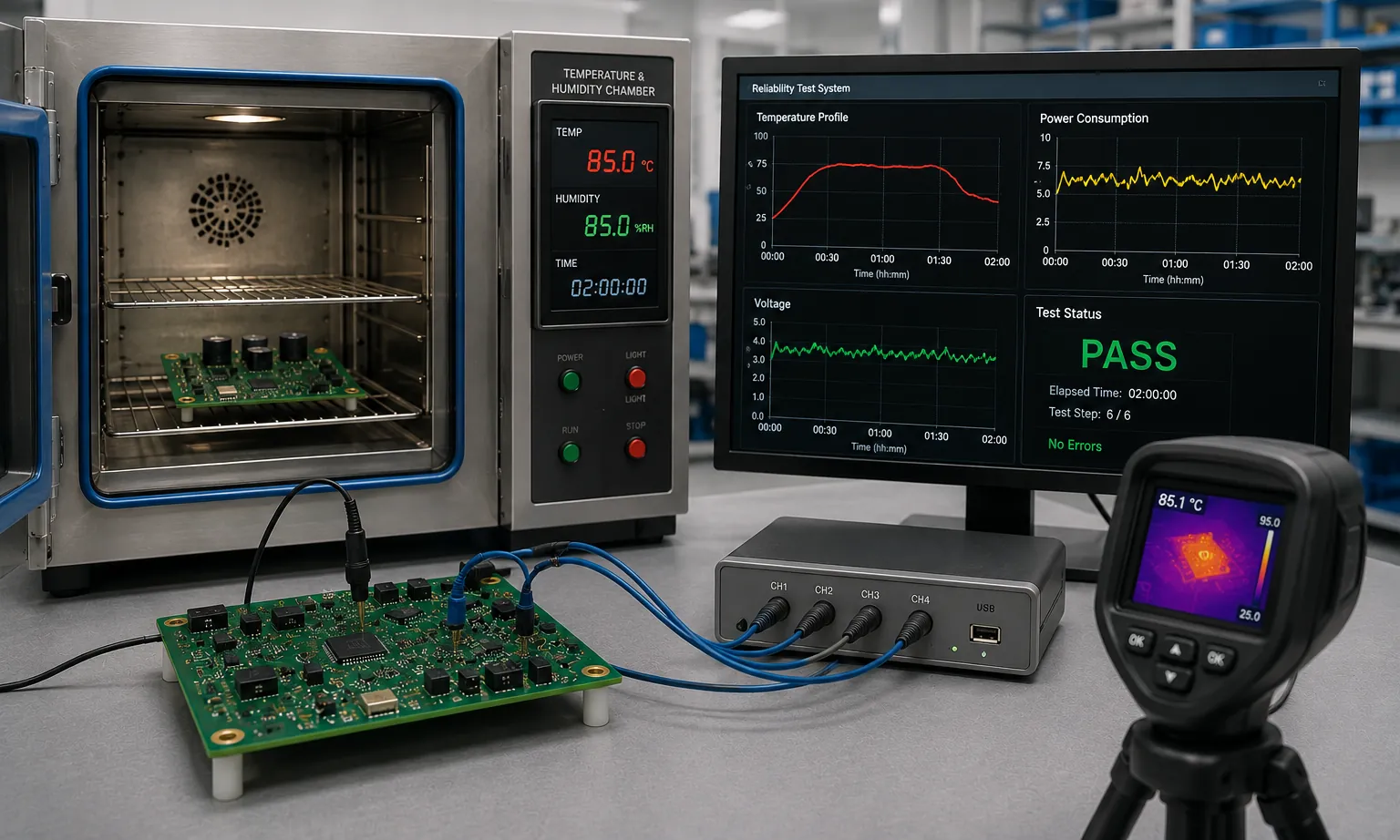
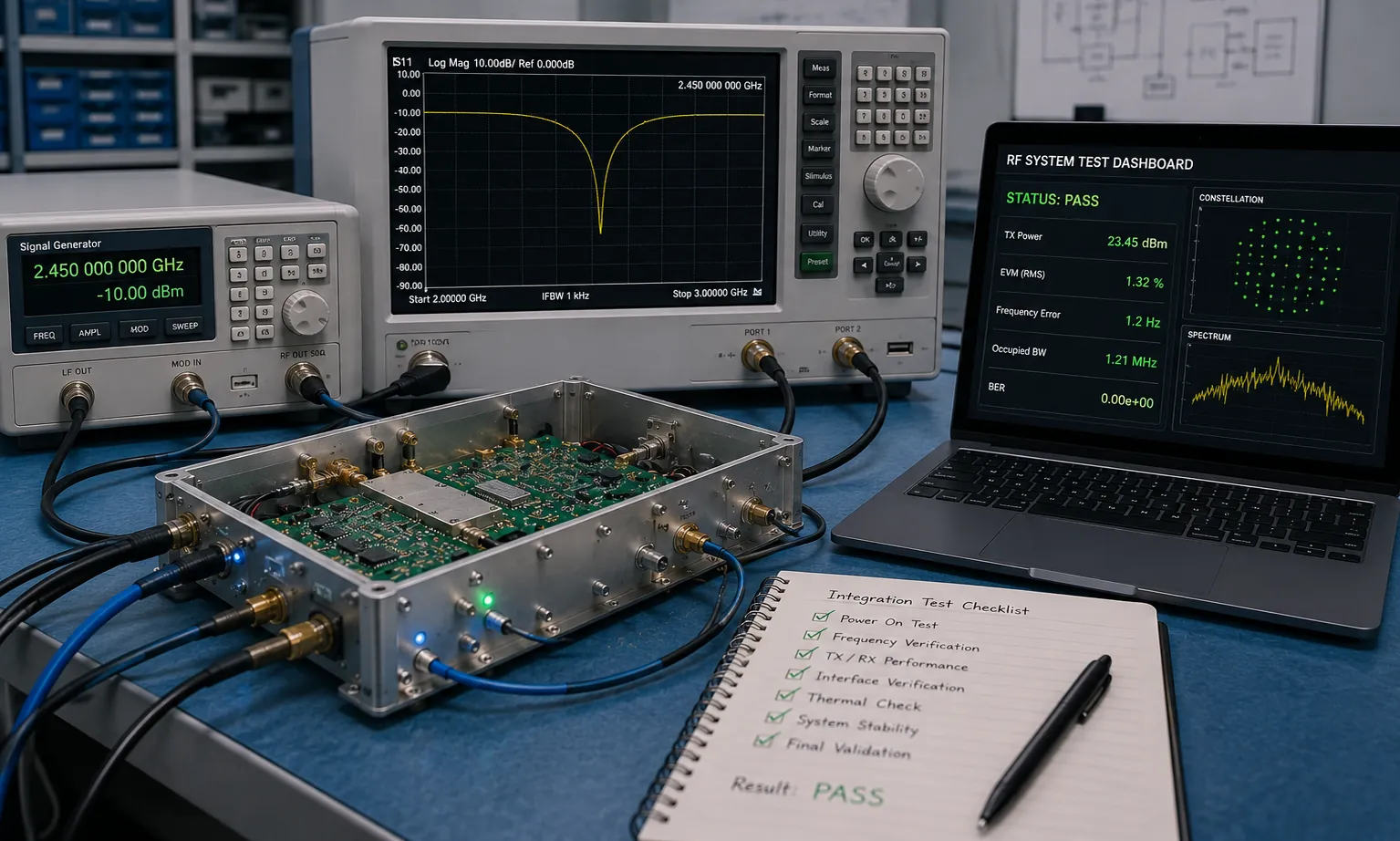
Thermal behaviour measured, not estimated from a datasheet. 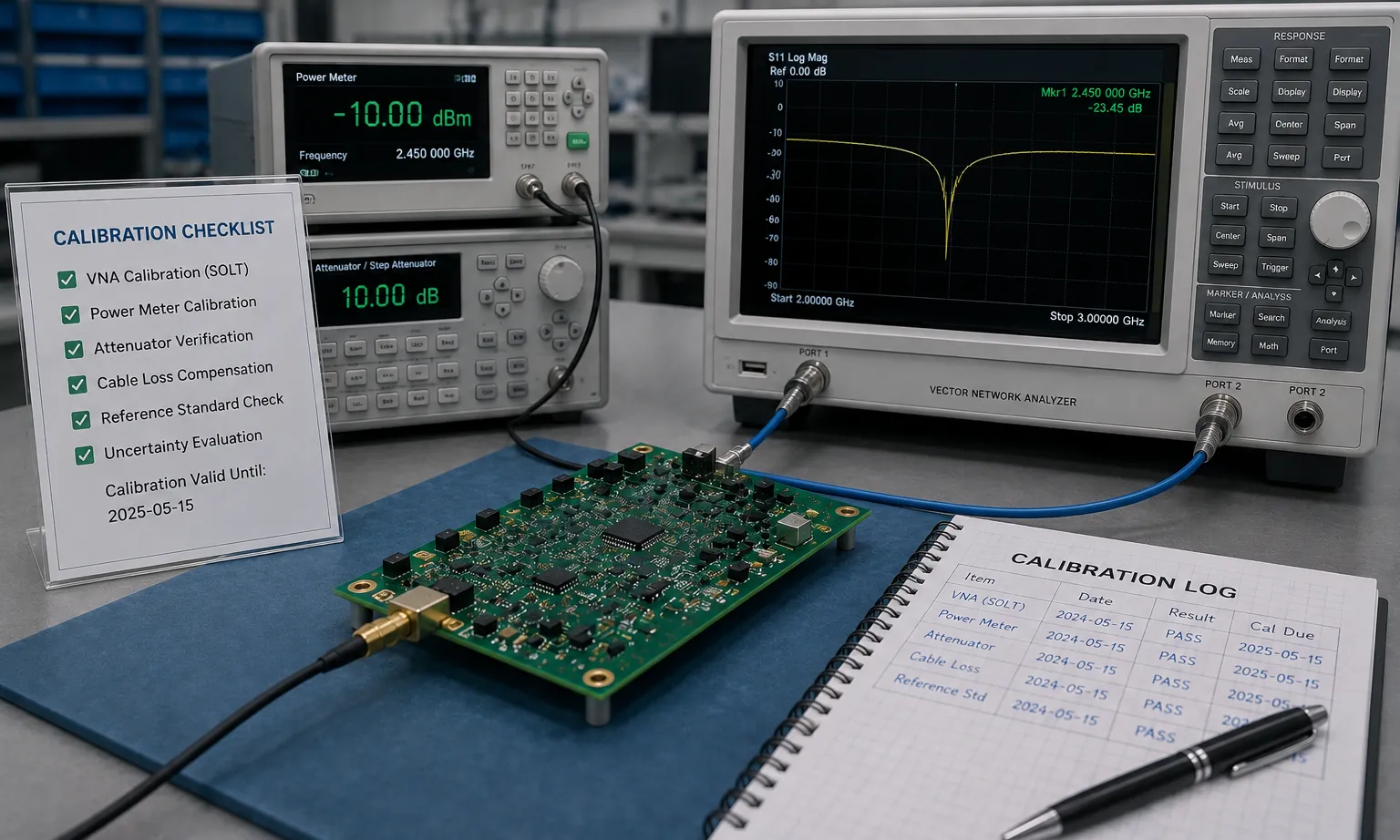
Instruments calibrated and logged, so that a measurement means something.
Design review checklist
- Schematic review against the requirements list, with every deviation recorded
- Stack-up and impedance targets agreed before layout begins, not after
- Placement and escape strategy reviewed before any long trace is routed
- High-speed channels checked against the loss budget for the standard in question
- Power tree and decoupling reviewed against the PDN impedance profile
DRC and DFM procedure
- Design rule check clean against the fabricator’s published capability, not a generic ruleset
- DFM review run with the fabricator before release, covering stack-up tolerance and drill depth
- Assembly review with the assembly house on footprint, polarity and test access
- Every waiver documented, with who granted it and why
Test records and retention
- Bring-up findings recorded per peripheral, including the faults found and how they were fixed
- Simulation reports retained with the design revision they belong to
- Dynamometer, current-profile and link-training measurements kept as raw data, not summaries
- Records retained for the life of the engagement and handed over with the design package
What we need from you
Four things, and the point at which each one stops being cheap to change.
- Before we quote
What the product has to do
Interfaces, throughput, power budget, enclosure and environment. A rough specification is fine and normal — what we cannot price is an idea with no constraints attached, because the constraints are the work.
- Before layout starts
The parts you have already committed to
Anything already chosen, sourced or second-sourced: processor, connectors, sensors, the fabricator. Late substitutions are the most expensive kind. A part swapped after routing can mean re-doing the stack-up.
- Within one business day, throughout
A decision-maker who answers
One named person who can make a call without convening a committee. We commit to a substantive answer in one business day and the same commitment in the other direction is what makes it hold.
- Before the first build
How it will be tested and by whom
Any compliance target, customer acceptance test or existing test rig the board has to satisfy. Designing for a test you learn about afterwards means designing twice.
A smaller first step
Still deciding whether to trust a board to us?
Start with a design review. We audit a schematic, layout or firmware you already have and deliver a findings report with a fix plan — a small paid engagement that tells you how we work before you commit a programme to us.